Microbial assessment
Documents site conditions, evaluates the evidence, maps affected areas, and provides clear remediation direction within the assessment scope.
A practical look at the records, context, and field work that make an assessment useful long after the inspection.
A microbial assessment should do more than report laboratory findings. It should explain the property story, show what was present during the inspection, map how far the condition reaches, and give clear direction for what should happen next.
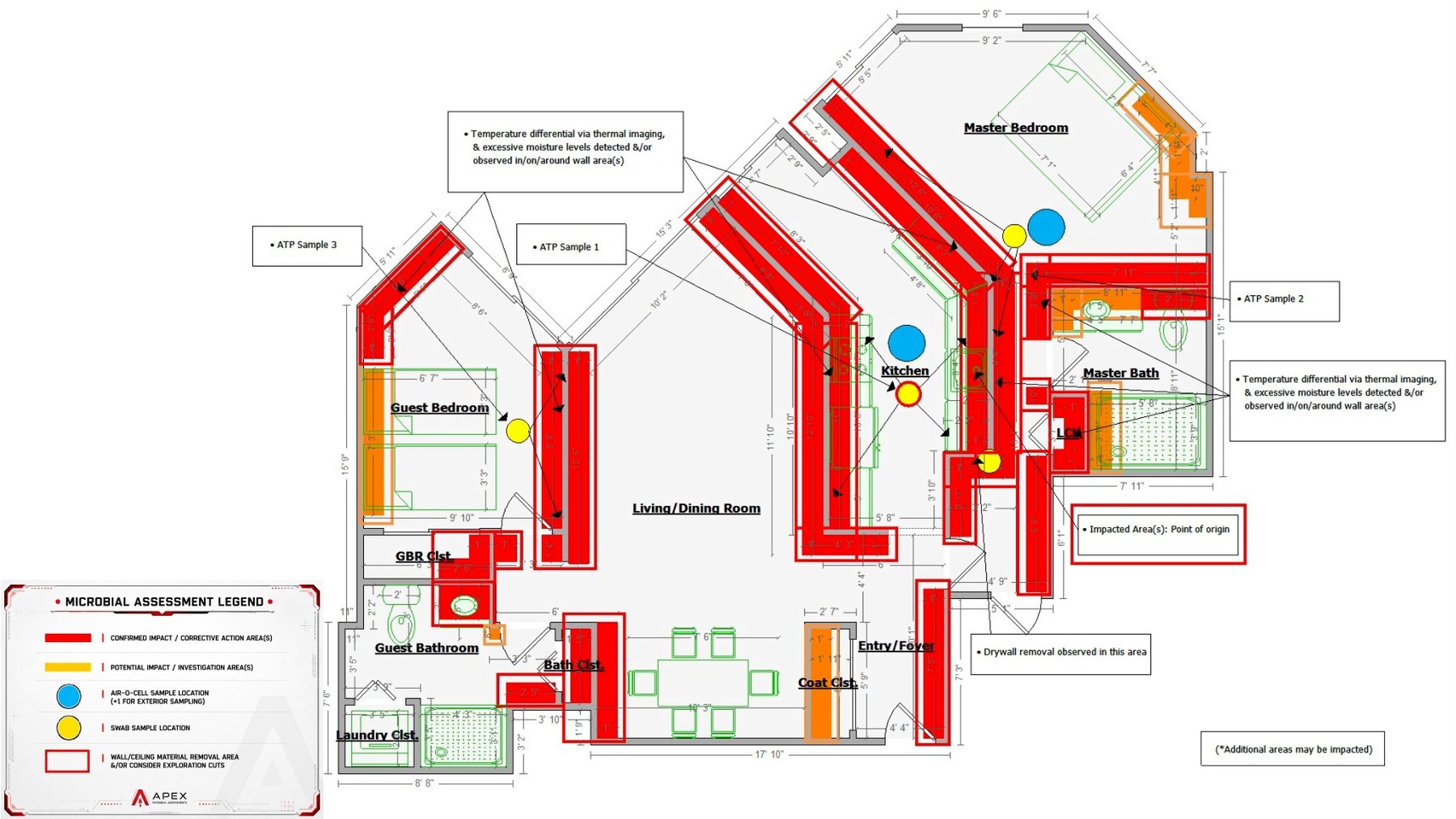
Property files can become confusing quickly. Different people may describe the event differently. Repairs may already be underway. Conditions may change before every party has had a chance to see them. The assessment should pull the important pieces together and show how the conclusions were reached.
Apex helps turn site evidence into usable property intelligence.
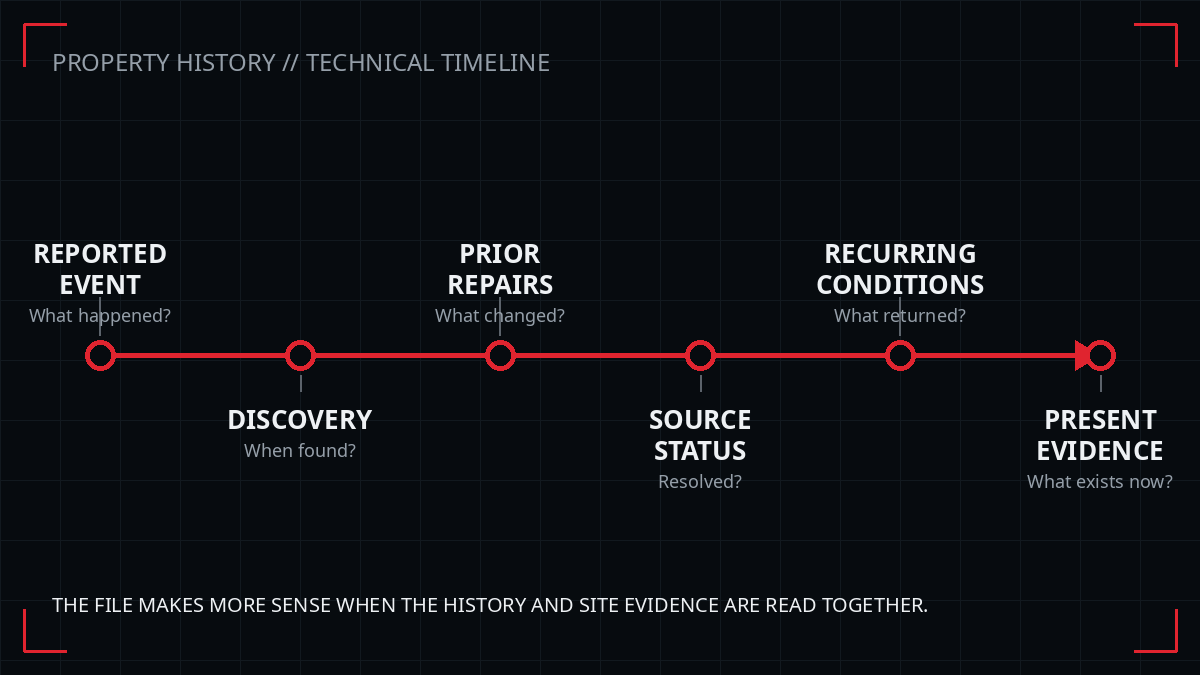
A property file can become confusing when the reported event, earlier repairs, recurring problems, and current evidence do not line up.
A useful assessment builds the timeline, reviews the reported source, and compares the history with what is found on site. It should also note what is known, what is still unclear, and whether other conditions may be affecting the property.
This gives everyone a clearer starting point before opinions, scopes, or costs are compared.
The technical opinion is easier to review when the history and the site evidence are connected instead of treated as separate stories.
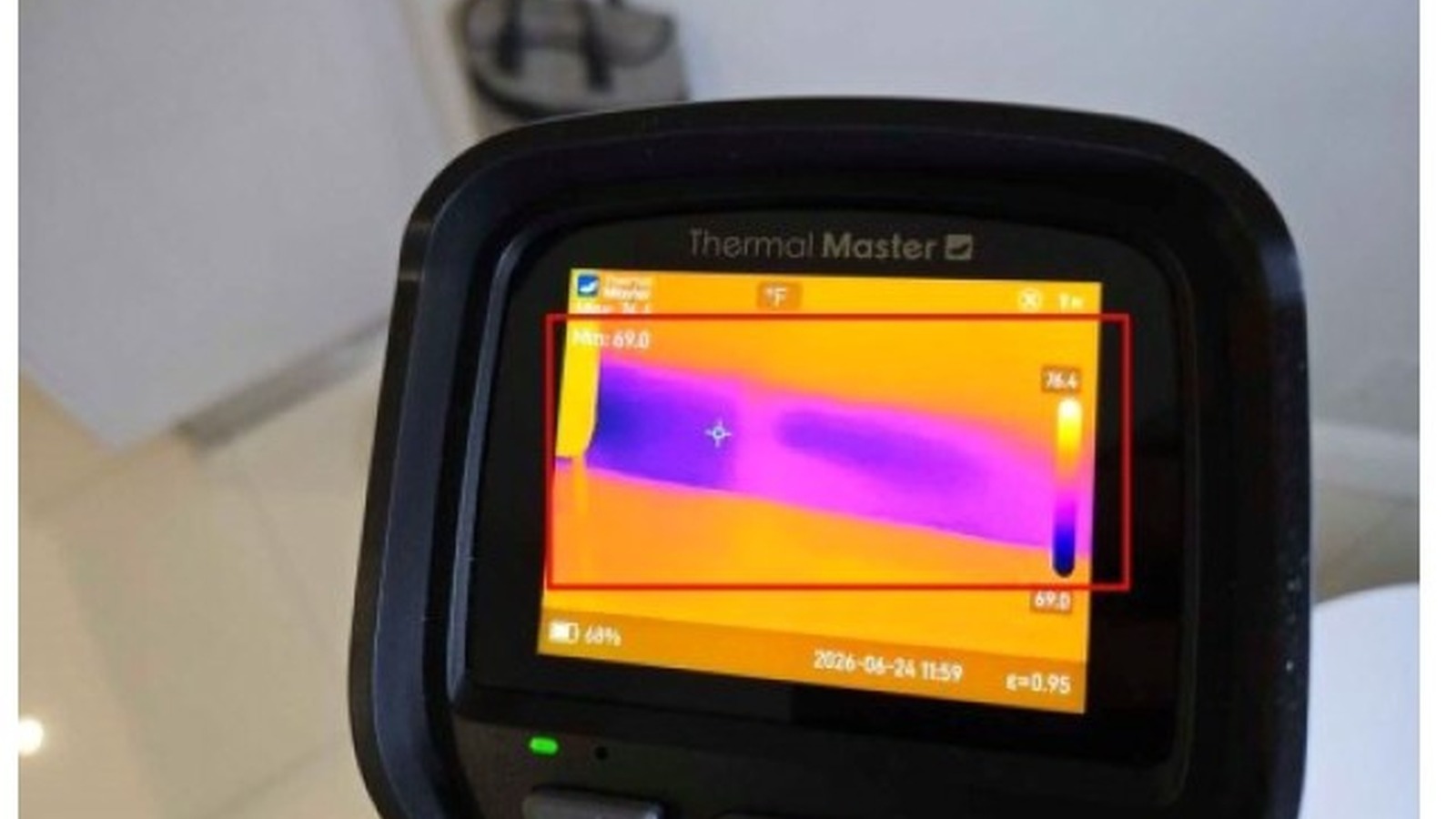
Conditions can look very different once drying, demolition, cleaning, or repairs begin.
The assessment records what was actually present during the inspection through photographs, field observations, moisture readings, thermal images, laboratory results, and any limits on the investigation.
That record can become more important later, especially after materials are removed or the property no longer looks the same.
A clear field record helps show what was observed, when it was observed, and what information supported the findings at that time.
A visible stain or one laboratory result may not show the full affected area.
Moisture and microbial impact can move through walls, floors, cabinets, nearby rooms, or between units. Clear mapping shows what was checked, what the evidence supports, and where more investigation may still be needed.
It also helps separate confirmed areas from possible areas instead of treating the entire property as one broad condition.
A mapped record makes it easier to compare the assessment with photographs, remediation limits, repair quantities, and other reports in the file.
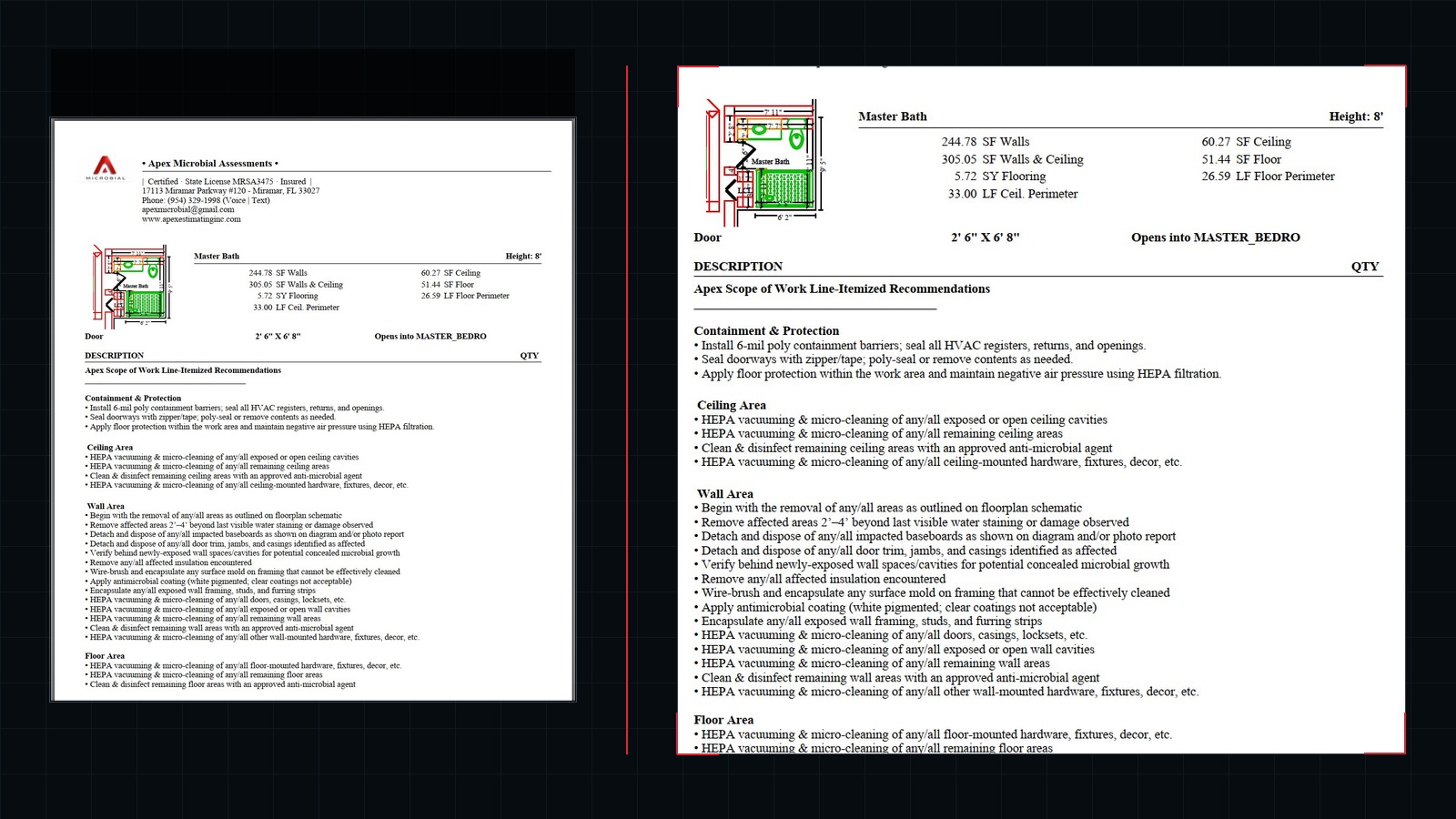
A useful assessment should explain what the findings mean for the property—not simply list observations and laboratory results.
The report should identify affected areas, describe materials that may require removal or cleaning, note where access or containment may be needed, and explain any areas that still require more investigation.
It should also make clear what is confirmed, what may change once concealed areas are opened, and where the assessor’s recommendations end.
Clear assessment direction helps counsel understand what the assessor is recommending without suggesting that the assessor will perform or price the work.
A microbial assessment, remediation plan, repair estimate, and contractor proposal may all appear in the same file, but they are not the same assignment. Each should be clear about its purpose, the information it relies on, and the limits of its conclusions.
Documents site conditions, evaluates the evidence, maps affected areas, and provides clear remediation direction within the assessment scope.
A separately retained service for damage documentation, scope review, and Xactimate estimating when that is the assignment counsel needs.
Compares reports, scopes, estimates, and photographs prepared by others to identify differences, gaps, and questions that may still need answers.
Estimating and technical review are separately retained and are not automatically included with a microbial assessment.
Property matters rarely end with one report. Questions come up as records are reviewed, scopes are compared, repairs move forward, and new information is found.
Apex stays available to explain the findings, discuss the reasoning, point out gaps in the property record, and help the people involved understand what the evidence means.
When the cause, extent, documentation, or repair impact is unclear, Apex helps turn site evidence into usable property intelligence.